
Top 5 Myths About Counseling and Psychotherapy Debunked by a Psychologist in Myrtle Beach

The Truth about Finding Therapy in the Grand Strand
If you’ve spent any time in the South, you know that a sweet little phrase like “bless your heart” can carry a whole lot more than kindness. No one wants to sit across from a therapist who’s secretly judging them with that tone. And honestly, that fear keeps a lot of people in Myrtle Beach from even considering therapy.
I hear it all the time: “People will think something’s wrong with me if I see a psychologist,” or “therapy is only for folks in crisis.” Add in the Southern mindset of “just handle it yourself” or “pray it away,” and suddenly reaching out for support can feel like you’re breaking some unspoken rule.
Here’s the truth: therapy isn’t about judgment — and it definitely isn’t about polite pity wrapped in a smile. As a psychologist in Myrtle Beach, I help people (including women physicians and other professionals) manage stress, ease anxiety, and build confidence when life feels heavier than it should. Sometimes that looks like untangling imposter syndrome. Other times it’s about finding tools that make everyday challenges a little lighter.
That’s why I want to bust some of the biggest myths about counseling and therapy — so you can see what it’s really like, and why it might be exactly the kind of support you’ve been looking for.
Myth #1: “Therapy is only for people with severe problems — and people will think something is wrong with me.”
This one is huge, especially around here. In smaller Southern communities like Myrtle Beach, folks often think counseling is something you only do if you’ve “hit rock bottom.” And on top of that, there’s the worry: What will people think if they see me walking into a therapist’s office?
The truth is, therapy is for anyone who wants to live with more ease and confidence — not just people in crisis. Many of my clients are high-achieving women physicians who look like they have it all together on the outside but quietly feel overwhelmed, anxious, or like imposters in their own careers. Therapy gives them a private space to breathe, regroup, and actually feel more like themselves.
Seeking therapy doesn’t mean something’s “wrong” with you. It means you’re wise enough to know you don’t have to carry everything alone.
Myth #2: “Talking to friends or church leaders is the same as therapy.”
Now don’t get me wrong — friends, family, and faith can be incredible sources of support. But they’re not the same as a trained professional. A therapist brings evidence-based tools, confidentiality, and a fresh perspective that even the most supportive loved one can’t always provide.
For instance, I use brainspotting with some clients to help reduce stress, quiet self-doubt, and rebuild confidence—something you’re unlikely to get over coffee with a friend.
As a psychologist in Myrtle Beach, I work with many clients who already have strong communities and spiritual lives — therapy doesn’t replace those things, it complements them. We bring it into session in a way that is meaningful for you. So you don’t have to choose between your pastor, your best friend, or your therapist. You get to build a team that supports your well-being from all angles.
Myth #3: “Therapists just sit and nod.”
I laugh every time I hear this one. If therapy were just me nodding for an hour, I’d be bored out of my mind — and you’d leave wondering why you paid for it!
The truth is, therapy can be very active. Sometimes it looks like learning anxiety-calming tools you can use right away. Other times, it’s working through imposter syndrome with practical strategies. And in my practice, I also use clinical hypnosis — not the stage kind with swinging watches, but a powerful way to help your brain reset unhelpful patterns.
So yes, I’ll listen. But I’ll also teach, challenge, and support you in ways that help you walk out the door feeling like you’ve actually gained something.
Myth #4: “Only weak people go to counseling.”
Let me flip this on its head: it takes serious strength to sit down with a therapist and say, “I want things to be different.” That’s not weakness — that’s courage.
I’ve worked with physicians, executives,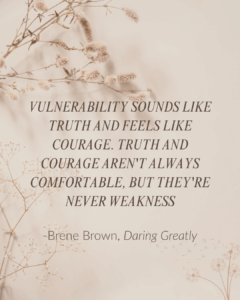 and other professionals who are strong, smart, and capable. And you know what? Even the strongest people get tired. Therapy gives you a place to set down the armor for an hour and admit, “I can’t do it all on my own.” That honesty is what makes you stronger in the long run.
Myth #5: “A psychologist in Myrtle Beach can’t offer advanced approaches like big-city therapists.”
I know that resources in the area can feel scarce and subpar. But you don’t have to live in New York or Atlanta to get cutting-edge care. Right here in Myrtle Beach, you can access therapy that’s evidence-based, specialized, and tailored to your needs.
Whether it’s clinical hypnosis, anxiety management, or confidence-building for professionals, you don’t have to leave the Grand Strand to find the support you deserve. Sometimes the best resources aren’t hours away — they’re right in your own backyard.
Are you Ready?
If you’ve been putting off therapy because of one of these myths, I hope you’re feeling a little lighter now. Counseling isn’t about judgment, weakness, or wasting time. It’s about creating space to feel calmer, stronger, and more confident in who you are.
If you’re ready to see what therapy can look like for you, I’d love to help. As a psychologist in Myrtle Beach, I specialize in supporting professionals and women physicians through anxiety, imposter syndrome, and life transitions. Whether you’re walking off the beach after a long day, heading home from Grand Strand Medical, or just trying to quiet the noise of a busy mind, you don’t have to keep carrying everything on your own. Reach out today, and let’s start building the confidence and calm you’ve been looking for.
Ready to Start Therapy? Book a free 15-minute phone consultation with me.